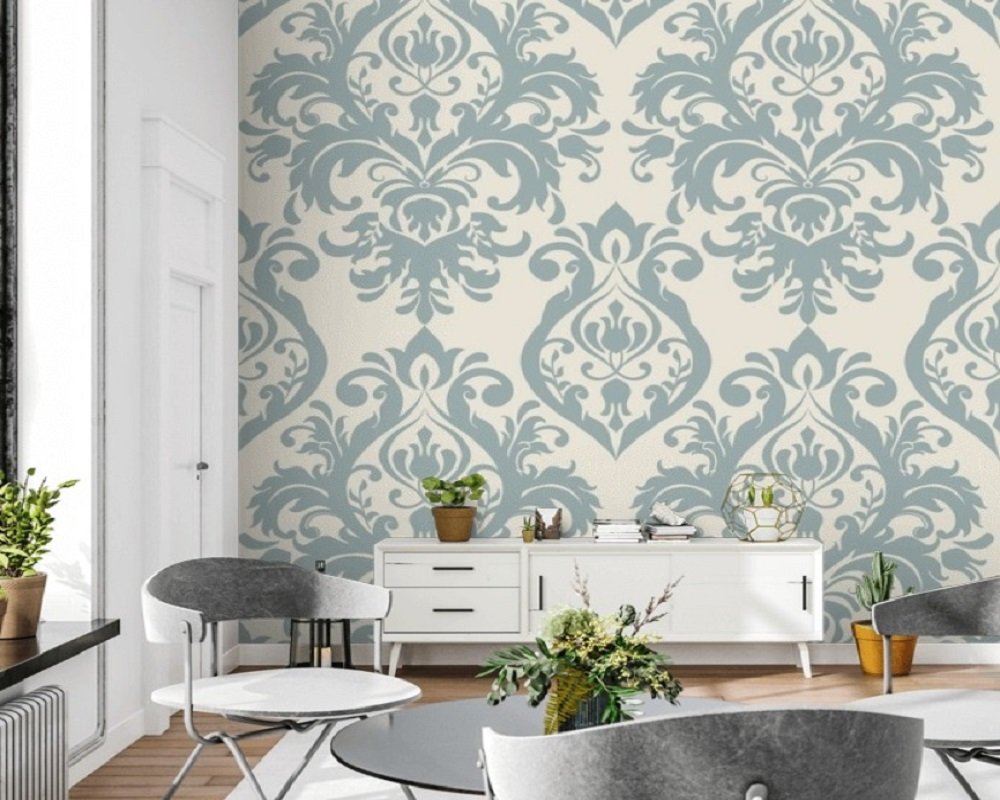
Wallpaper is now more than just a decorative element—it’s a design choice that combines style, function, and form. With so many options available today, the question isn’t just which pattern to choose, but which material suits your space, your habits, and your home’s character.
From luxury lofts in Manhattan to cozy brownstones in Brooklyn, each room in your NYC home deserves wallpaper that does more than look good. It should perform well, last long, and match your way of living. In this guide, we’ll walk you through the most popular wallpaper materials—exploring their pros and cons, where they work best, and how to make eco-conscious choices that protect your indoor air and overall well-being.
???? 1. Vinyl Wallpaper: The Workhorse of Modern Interiors
Best for: Kitchens, bathrooms, hallways, rental units
Pros:
- Highly durable and easy to clean
- Moisture-resistant—ideal for steamy bathrooms or near kitchen backsplashes
- Available in a wide range of patterns and textures, including faux finishes like grasscloth, leather, and wood.
Cons:
- Less breathable—may trap moisture behind walls in humid spaces if not installed properly
- May contain PVC, which can release VOCs if not certified low-emission
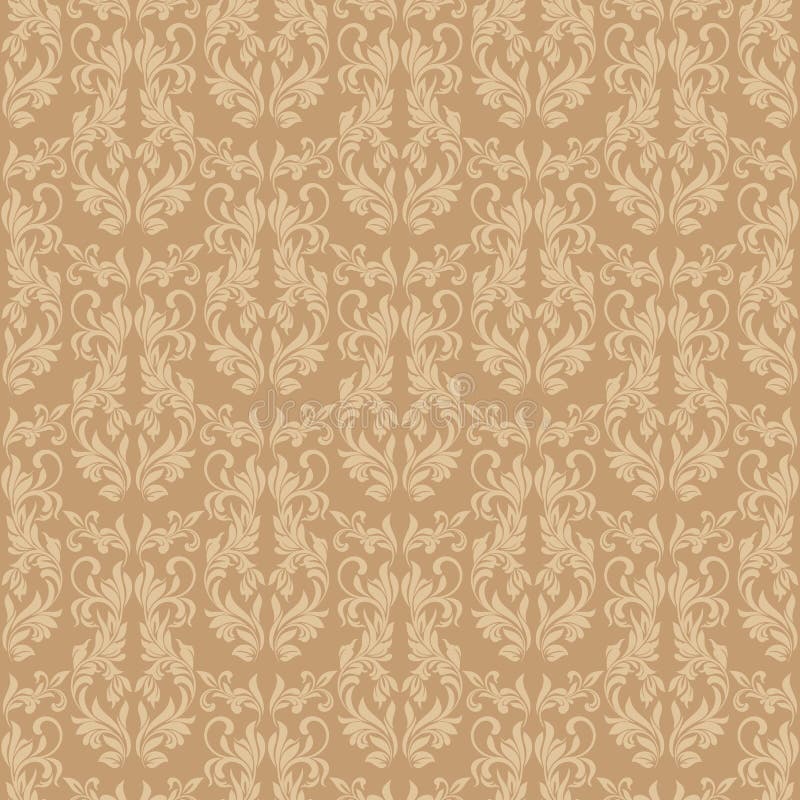
Why it’s popular: Vinyl is the go-to for busy households, NYC renters, and landlords. For high-traffic or high-humidity spaces, it’s often the safest bet.
ChaunceyAllPro Tip: Always look for low-VOC or phthalate-free vinyl to improve indoor air quality—especially in children’s rooms or small apartments.
???? 2. Grasscloth: For Natural Texture and Organic Luxury
Best for: Bedrooms, dining rooms, accent walls, office spaces
Pros:
- Made from natural fibers that can be used again, like jute, hemp, seagrass, or arrowroot
- Adds rich texture and depth to a space
- Eco-friendly and non-toxic if untreated
Cons:
- Not washable—absorbs stains and moisture easily
- Sensitive to humidity and sunlight
- Can be expensive and requires careful installation to align seams
Why it’s special: Grasscloth is more than wallpaper—it’s a conversation piece. It instantly warms up a space and adds tactile luxury to neutral palettes.
ChaunceyAllPro Tip: Use grasscloth in low-touch areas (like behind a headboard or in a reading nook), and avoid it in kitchens or bathrooms.
???? 3. Fabric-Backed Wallpaper: Bold, Soft, and Stylish
Best for: Living rooms, office spaces, entertainment areas
Pros:
- Offers a soft, sophisticated look with a plush feel
- Excellent sound absorption—great for Zoom calls, home offices, or media rooms
- Strong backing resists tears and allows for repositioning during install
Cons:
- Depending on the fabric on the surface, can be harder to clean
- Due to its weight and complexity, professional installation is necessary.
- Higher cost per roll compared to vinyl or paper
Why it stands out: Fabric wallpaper offers drama and refinement. Velvet, linen, or silk finishes give an upscale designer look with more durability than you’d expect.
ChaunceyAllPro Tip: For homes with pets or kids, opt for stain-resistant or coated fabric wallpapers that maintain elegance and practicality.
???? 4. Peel & Stick Wallpaper: Flexible Design for Urban Living
Best for: Rentals, accent walls, nurseries, temporary design updates
Pros:
- Easy to install and remove—no paste or water needed
- Won’t damage walls when applied to a clean, primed surface
- Obtainable in a wide range of textures and patterns.
Cons:
- May peel in humid conditions or on textured walls
- Less durable than traditional wallpaper
- Can stretch or tear during install if mishandled
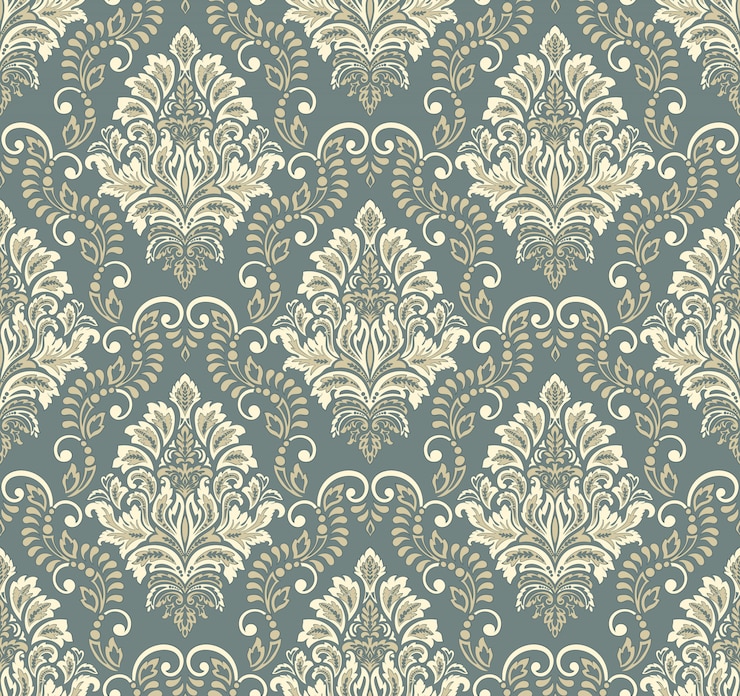
Why NYC loves it: Ideal for renters, short-term decorators, and design commitment-phobes. Peel-and-stick is where DIY meets design freedom.
ChaunceyAllPro Tip: Test a small patch first—NYC walls can vary in texture, paint finish, and surface prep, affecting adhesion.
???? 5. Eco-Friendly and Non-Toxic Wallpaper: Health Meets Style
Best for: Bedrooms, nurseries, any health-conscious or sustainably minded home
Materials to look for:
- Water-based inks
- FSC-certified paper
- PVC-free vinyl alternatives (like fabric, mica, or clay-coated wallpaper)
Benefits:
- Low-VOC emissions—safer for breathing in tight NYC apartments
- Sustainable sourcing and biodegradable backing
- Often recyclable and made in small batches by artisanal manufacturers
Drawbacks:
- Can be more expensive
- May require gentler cleaning and maintenance
Why it matters: Your home’s air quality matters more than ever, especially in enclosed, multi-family buildings. Choosing safe, sustainable materials protects your family—and the planet.
ChaunceyAllPro Tip: Always check for third-party certifications like Greenguard, EcoLabel, or FSC when shopping for eco-friendly wallpaper.
???? Comparing Materials at a Glance
| Material | Best Use | Pros | Cons |
| Vinyl | Kitchen, bath | Durable, easy to clean | May emit VOCs |
| Grasscloth | Bedroom, office | Natural, elegant, textured | Stains easily, not washable |
| Fabric | Living room, media | Sound-absorbing, high-end look | Requires pro install, costly |
| Peel & Stick | Rentals, accents | Removable, renter-friendly | Less durable, not for humid rooms |
| Eco-Friendly | Bedrooms, nurseries | Non-toxic, sustainable | Pricier, limited selection |
???? Conclusion: Choose What Works for You
Wallpaper isn’t one-size-fits-all—and that’s a good thing. By understanding the strengths and trade-offs of each material, you can match your walls to your lifestyle. Whether you’re navigating a tiny Upper East Side studio or outfitting a new family co-op in Park Slope, there’s a wallpaper that’s perfect for your space.

At ChaunceyAllPro, we not only install wallpaper—we help you make confident, educated decisions that bring beauty and functionality into your home. Our team is experienced in working with every material on this list and understands the unique challenges of NYC apartments.
????️ Need Help Choosing or Installing Wallpaper?
Contact us today for a free consultation—or ask us about our eco-conscious wallpaper line, perfect for modern NYC homes!